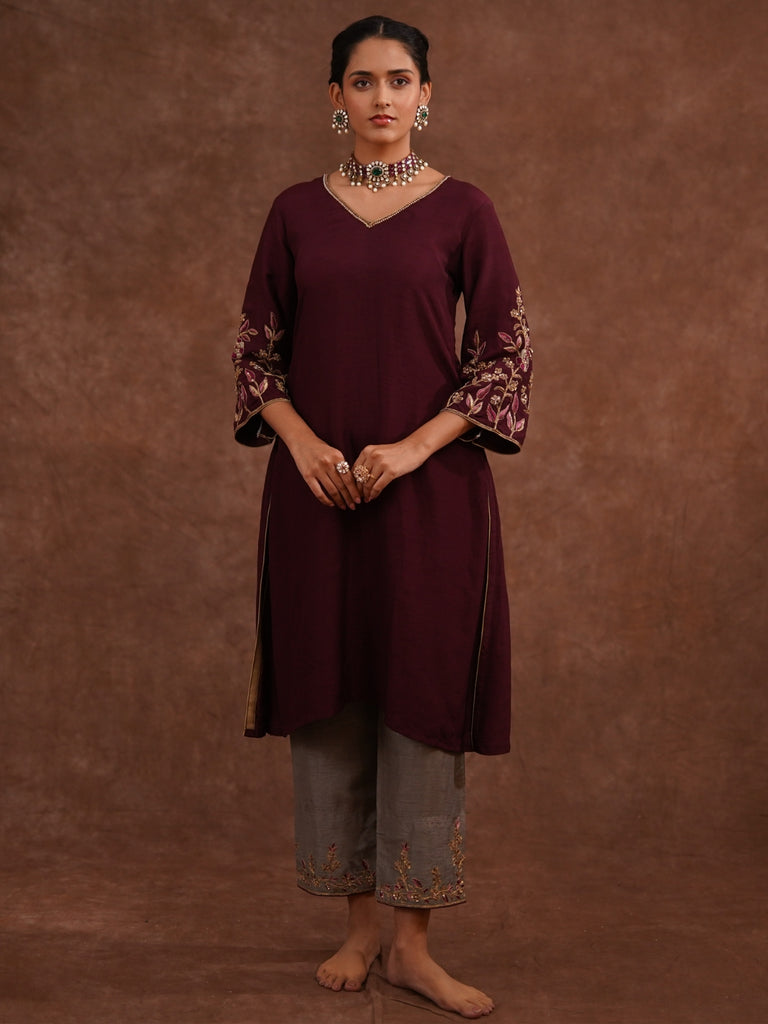


Mehendi & Haldi Outfits: Complete 2026 Style Guide
By SUGANDH GUPTA | September 25, 2026 | 0 Comments
Out of every function in an Indian wedding, mehendi and haldi are usually the ones that feel the most relaxed less formal, more colourful, and honestly a lot more fun to dress for. Good Mehendi & Haldi Outfitsneed to hold up through seated rituals, turmeric paste, henna application, and hours of dancing, all while still looking festive in photos. If you're hunting for haldi mehndi outfits for girls that check every one of those boxes, this guide walks through exactly what to look for, drawing on the same kind of practical, occasion-first thinking that goes into designing these pieces in the first place.
We'll cover the colour traditions behind these ceremonies, which fabrics actually photograph well outdoors, the traditional craft techniques worth knowing, and how to get more wear out of your Mehendi & Haldi Outfits long after the wedding with a pro tip under every section so you're shopping with real direction instead of just picking whatever looks bright and cheerful on a hanger.World Of Sugandh
The Colour Code Behind Mehendi & Haldi Outfits
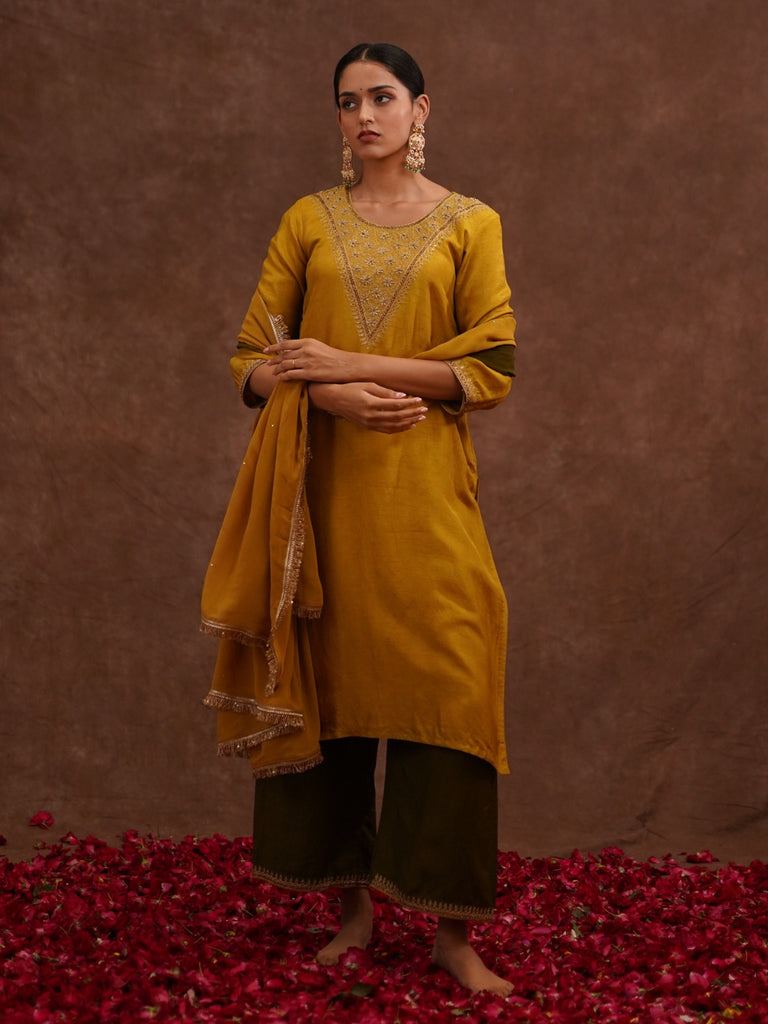
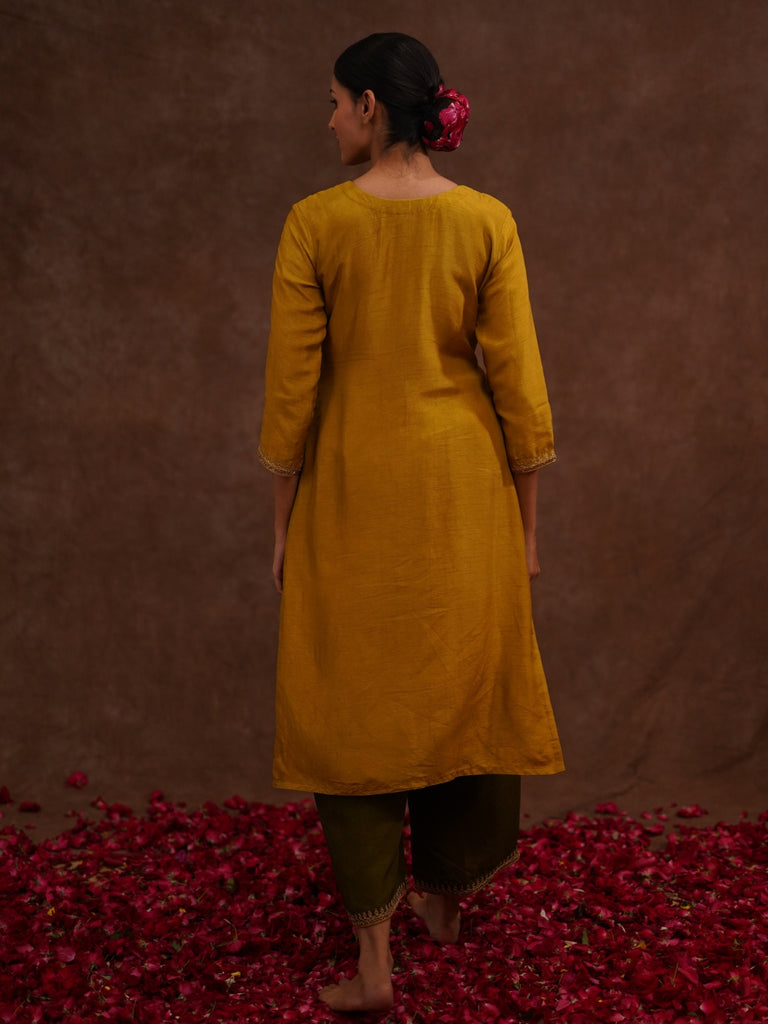
Colour isn't random in Mehendi & Haldi Outfits it's rooted in tradition that goes back generations. Turmeric yellows and marigold oranges dominate haldi dressing because they symbolize prosperity, purification, and the sun's energy, echoing the turmeric paste itself, which is believed to bless the bride and groom before their wedding day. For mehendi, lush greens, teals, and soft olives take over instead, tied to fertility, growth, and fresh beginnings much like the henna that gives the evening its name.
These colour traditions aren't rigid rules, though. Modern Mehendi & Haldi Outfits increasingly borrow from both palettes, mixing marigold with soft green accents, or pairing a mustard base with teal embroidery, so the two functions can feel visually connected without looking identical.
- Pro Tip: If you're unsure which shade to pick, lean toward marigold or mustard for haldi and a mid-tone green or teal for mehendi both photograph beautifully under natural daylight, and both pair easily with gold jewelry if you want to keep accessorizing simple.
What to Actually Look for in Haldi Mehndi Outfits for Girls
Comfort matters more here than at almost any other wedding function, since both ceremonies involve sitting through rituals and staying still while henna dries, sometimes for hours at a stretch. An outfit that looks stunning standing up but turns restrictive the moment you sit cross-legged on the floor is, quite simply, the wrong outfit for either occasion.
For the Haldi Ceremony
- Haldi involves turmeric paste being applied by hand, often messily and enthusiastically, by family members who are more focused on laughing and celebrating than being careful with your outfit. So haldi mehndi outfits for girls should avoid stiff, restrictive tailoring that limits movement or makes you overly cautious about turmeric stains. Relaxed A-line kurtas, flowy co-ord sets, and pre-draped sharara sets in breathable cotton or georgette handle the ritual's energy without holding you back, and they're also easier to clean or spot-treat afterward compared to delicate silks.
Pro Tip:Choose a haldi outfit with a practical neckline - nothing too high or fussy - so turmeric paste can be applied without the fabric getting in the way, and consider keeping a plain dupatta on hand that you won't mind getting slightly stained.
For the Mehendi Evening
- Mehendi tends to feel a touch more dressed-up than haldi, with warmer lighting and more intricate henna work on display as the evening goes on. Mehendi & Haldi Outfits for this evening often include richer colour stories and more considered embellishment, while still staying comfortable enough for hours of sitting still during henna application - a genuinely long process for the bride, who might be seated for two to three hours at a stretch while patterns are drawn on both hands and feet.
Pro Tip:Keep sleeves three-quarter length or shorter for mehendi outfits - it gives the henna artist easy access without needing to push up fabric, and it also keeps your sleeves from smudging wet henna as it dries.


Fabric Choices That Photograph Well Outdoors
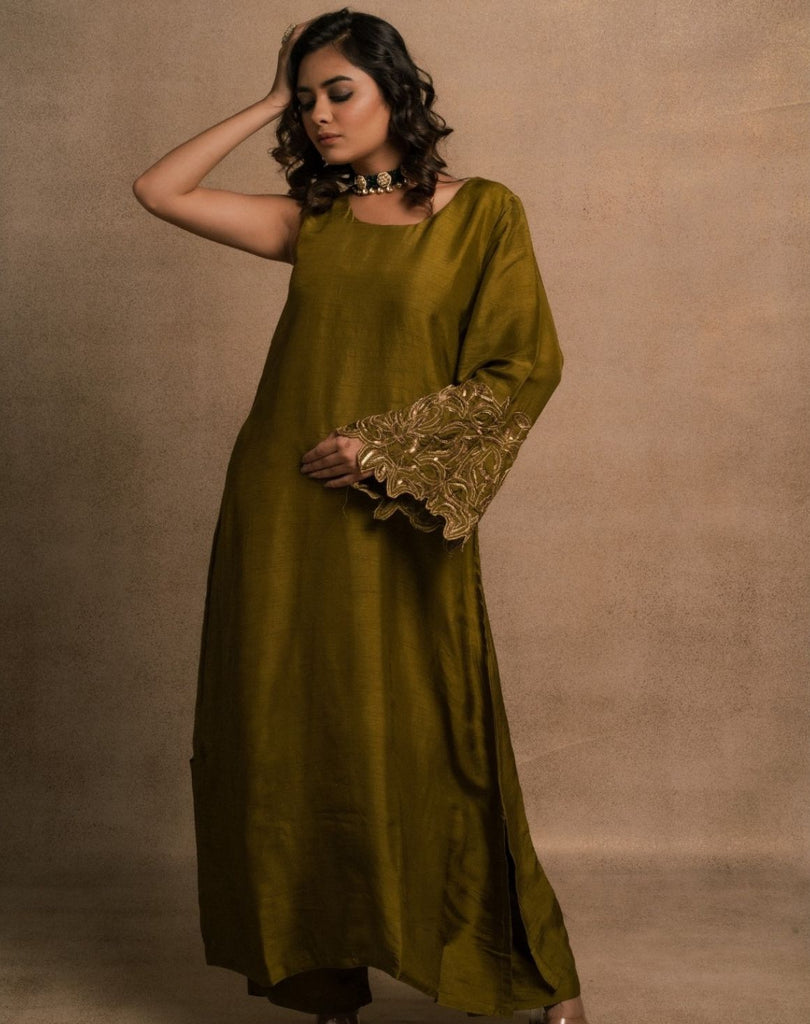
Both ceremonies are usually held outdoors during the day, which changes what actually works on camera far more than most people expect before their first wedding season. Harsh midday sun can wash out certain fabrics and create unflattering glare on others, so the material itself becomes a genuine styling decision, not just a comfort one.
Cotton:
- Breathable and non-reflective, absorbs natural daylight without harsh glare, and stays comfortable even through a long outdoor afternoon.
Georgette:
- Lightweight and flowy, keeps its shape through hours of movement, and drapes well in both still and candid photographs.
Raw Silk:
- Adds texture without high shine, so it still reads well in bright, outdoor lighting without looking overly formal for a daytime function.
Traditional Craft Techniques Worth Knowing
Many Mehendi & Haldi Outfits carry genuine craft heritage rather than just decorative print, and knowing the difference helps you shop for pieces with lasting value. Gota Patti work from Rajasthan adds lightweight metallic detailing that was historically used in royal festive garments, prized for looking rich without weighing the fabric down. Mirror work, known as Abhla Bharat, and fine thread embroidery are also common in this category of clothing - traditionally believed to ward off the evil eye during auspicious occasions, and still valued today for the sheer skill involved in applying it by hand.
Pro Tip: If you want an outfit with genuine craft value rather than machine-print imitation, look specifically for Gota Patti or hand-applied mirror work in the product description - these techniques tend to hold up far better over repeated wears than printed embellishment.

Coordinating with the Bride's Family
One of the nicer traditions around haldi mehndi outfits for girls is coordinated family dressing -especially for the bride's sisters, whose outfits often echo the bride's colour story while still keeping their own personality intact. This isn't about everyone wearing identical outfits, which tends to look flat in photographs, but about choosing pieces from the same colour family in different silhouettes, so the group looks cohesive without losing individuality.
Pro Tip:For coordinated family looks, keep the colour family consistent but vary the silhouette - one sister in a kurta set, another in a flowy anarkali - so the photos feel harmonious rather than uniform, and everyone still gets to wear something that suits their own style.Sizing and Fit Considerations
- Fit affects comfort more directly at these two functions than almost anywhere else in the wedding calendar, since so much of the day is spent sitting, moving between rituals, and being physically close to family members.
- Pre-draped sharara and skirt sets are more forgiving across body types than fully fitted silhouettes, and they adjust easily if you gain or lose a little water weight before the big day.
- Relaxed A-line kurtas allow for easy movement during longer rituals compared to fitted cuts, without compromising on how polished the outfit looks in photographs.
- Always check the size chart, since fit can vary between kurta sets, co-ord sets, and pre-draped pieces, even within the same brand or collection.

Yes, when chosen correctly fluid A-line kurtas, relaxed shararas, and pre-draped skirts are designed to avoid restrictive tailoring so movement stays easy through seated rituals, even when they stretch on for a couple of hours.
Definitely. A vibrant haldi kurta can be paired with simple palazzos for a family puja, and a heavier mehendi dupatta can be restyled over a solid dress for a fusion look at a completely different event down the line.
Yellow and mustard represent prosperity and purification for haldi, while greens and teals symbolize fertility and fresh beginnings for mehendi - both rooted in long-standing tradition that predates modern fashion trends entirely.
Breathable, non-reflective fabrics like cotton, georgette, and raw silk are chosen specifically because they absorb natural daylight well without creating harsh camera glare, which matters given how many candid photos get taken at both functions.
Continue Reading

ABOUT SUGANDH
Sugandh is a passionate fashion blogger with over 8 years of experience in the industry. She specializes in traditional and contemporary Indian wear, with a keen eye for trends that blend comfort with style. Her mission is to help women feel confident and beautiful in outfits that reflect their personality.
Through her blog, Sugandh shares styling tips, trend forecasts, and honest reviews to make fashion accessible to everyone.