

Ethnic vs Fusion Wear: What to Wear for Gudi Padwa, Baisakhi & Ram Navami in 2026
By SUGANDH GUPTA | february,16 2026 | 0 Comments
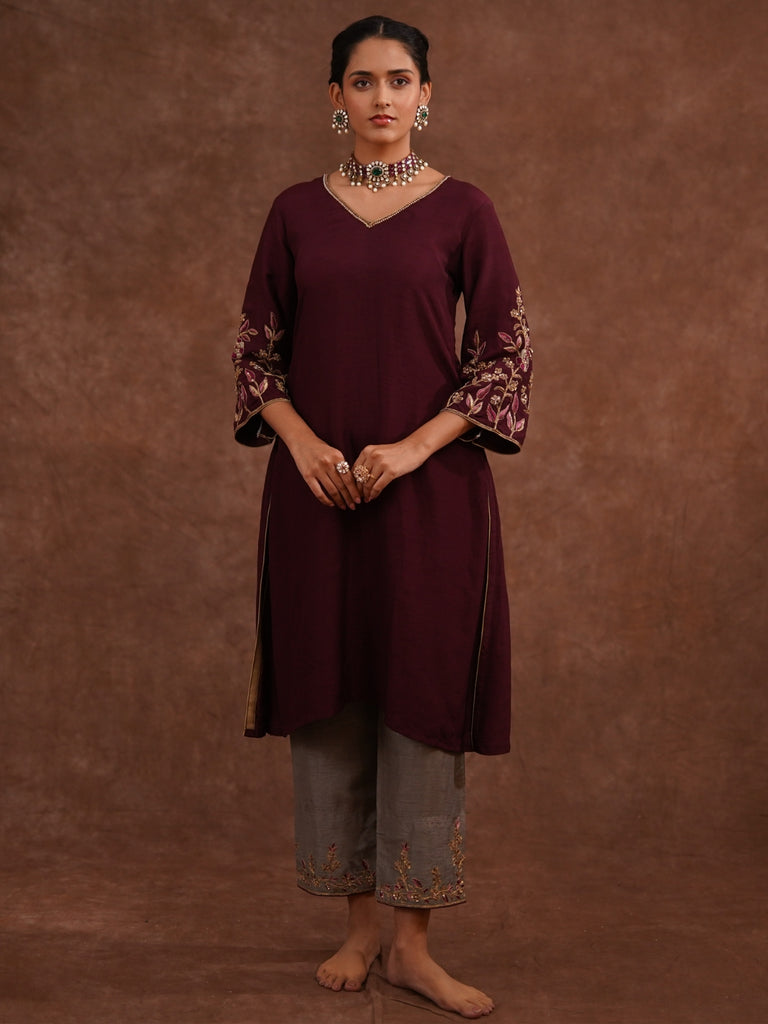
Festive fashion in 2026 requires people to achieve two goals by combining traditional elements with their personal fashion style. The choice of traditional ethnic wear or modern fusion styles shows how people celebrate Gudi Padwa Baisakhi and Ram Navami. The relevance of Ethnic vs Fusion Wear: What to Wear for Gudi Padwa Baisakhi and Ram Navami has reached its highest point. Traditional clothing shows respect for cultural heritage while fusion wear delivers modern styles and comfortable outfits. Your choice of festive wear should reflect the particular festive occasion and your personal fashion style and your desired festive expression.

Choosing Traditional Ethnic Wear for Festive Celebrations
Ethnic wear remains a classic choice for all culturally significant festivals. Gudi Padwa celebrations lead to the use of sarees and nauvari drapes and silk salwar suits because they display the beauty of Maharashtrian culture. Baisakhi celebrations feature colorful Punjabi suits together with phulkari dupattas and bright hues that resemble the colors of the harvest season. Ram Navami requires people to wear simple clothing which includes sarees and anarkalis and traditional kurta sets because of its religious significance.
The 2026 fashion scene will showcase handwoven silks and cotton silks along with traditional weaves. The fabric materials of these products enable designers to create contemporary clothing designs which maintain traditional manufacturing techniques. Festivals become more meaningful when people wear ethnic clothing because it strengthens their cultural ties to the celebrations.
Style Tip: Use light materials for your daytime events to stay comfortable while still looking sophisticated.
Styling Fusion Wear for Modern Festivities
Fusion wear enables people to celebrate festive occasions through modern clothing options which still maintain traditional festive elements. The designer creates an Indo-modern outfit by combining a traditional skirt with a structured shirt and a kurta with tailored trousers. Gudi Padwa celebrations should include a saree which features a belt for a modern aesthetic. The Baisakhi festival showcases a phulkari dupatta which people wear with their simple attire to create a major fusion fashion statement. Ram Navami celebrations use subtle Indo-Western co-ord sets which bring sophisticated style through their basic design.
Fusion styling in 2026 introduces fashion elements which feature textiles that allow air circulation and straight design patterns and planned outfit combinations. The solution empowers users to choose their own way of expression while staying connected to their cultural background.
Style Tip: To create a balanced look choose one element from traditional style and another from modern design.


Color Trends for Spring Festivals
Spring festivals bring forth a season of new beginnings and cheerful celebrations. The 2026 traditional ethnic collections showcase bright yellow and saffron and green and royal blue colors. The seasonal holiday tones display festive brightness.
Pastels and muted jewel tones and earthy shades define the color palette of fusion wear. The colors create a contemporary aesthetic which maintains its festive character. The color you select will determine whether your outfit appears contemporary or traditional.
Style Tip: Use a vibrant traditional shade together with a softer modern tone to achieve balance in your look.
Fabric Choices: Tradition Meets Comfort
Festive dressing relies on fabric selection. Traditional ethnic wear uses silk and brocade and cotton silk materials to create an elegant appearance which suits religious ceremonies and family celebrations.
Fusion outfits use linen blends and lightweight organza and breathable cotton fabrics as their preferred materials. The fashion industry of 2026 shows a pattern where both fashion styles adopt comfort-oriented designs which use light materials that work well for extended festivities.
Style Tip: Choose fabric based on event duration and climate to ensure day-long comfort.


Accessorizing Ethnic vs Fusion Looks
The final impression relies on accessories. Ethnic clothing works well with jhumkas and bangles and statement necklaces which enhance the festive atmosphere. The traditional aesthetic receives its completion through these elements.
Fusion wear needs minimalistic accessories which include sleek earrings and subtle layering and structured bags. The fashion line maintains its modern edge through refined accessory selection.
Style Tip: People should avoid heavy layering because it will disrupt the clean shape of their fusion outfits.
Cultural Significance and Personal Expression
Your decision to wear ethnic or fusion clothing depends on how you want to celebrate your special occasion. Ethnic clothing establishes a connection to cultural heritage while fusion wear provides options for individual expression and comfortable clothing . The fashion world of 2026 promotes people to celebrate both of their identities through traditional customs and their modern fashion style.
The dress code lacks strict enforcement because of its loose requirements. Traditional dress is typically required for religious ceremonies but social events allow people to dress more freely.
Style Tip: Your event type should control your choices in styling.


Finding the Perfect Balance
The most fashionable style in 2026 combines elements from both traditional and contemporary fashion. The use of traditional fabrics with modern silhouettes creates stylish festive outfits which include subtle contemporary details. The balanced approach delivers three essential benefits because it combines authentic elements and modern innovations with comfortable design.
The relevant discussion about Ethnic vs Fusion Wear: What to Wear for Gudi Padwa Baisakhi and Ram Navami shows that both fashion styles hold equal worth. Your perfect outfit should reflect your personal style while honoring the traditions of the festival.
Style Tip: Begin your modern fashion transformation by implementing minor contemporary elements.
traditional attire is often preferred for religious ceremonies due to its cultural significance.
Yes, particularly for social events where it should maintain festive atmosphere.
Bright yellows, greens, royal blues, and vibrant pinks reflect harvest joy.
Combine a traditional piece like a dupatta or saree with modern tailoring.
Cotton silk, lightweight silk, linen blends, and breathable cotton work best.
Not if styled modestly and thoughtfully in line with cultural values.
Continue Reading
How to Style One Outfit in Multiple Ways for Festivals & Everyday Wear in 2026
Fashion in 2026 has shifted from purchasing products to developing better skills for outfit creation. The modern woman values versatility, sustainability, and personal expression.
ABOUT SUGANDH
Sugandh is a passionate fashion blogger with over 8 years of experience in the industry. She specializes in traditional and contemporary Indian wear, with a keen eye for trends that blend comfort with style. Her mission is to help women feel confident and beautiful in outfits that reflect their personality.
Through her blog, Sugandh shares styling tips, trend forecasts, and honest reviews to make fashion accessible to everyone.